
Moisture Dampness
High moisture levels, condensation and dampness are common problems in New Zealand bathrooms. Showers and baths alone can create 1.5 litres of moisture per day per person (source: smarterhomes.org.nz).
The moisture created in bathrooms can encourage the growth of mould and mildew, and can cause a number of health problems including asthma, eczema and headaches. If left untreated, moisture can also lead to rot and deterioration of your bathroom. To prevent this from happening, install effective extraction and ventilation and ensure your bathroom is properly waterproofed.
Extraction and ventilation
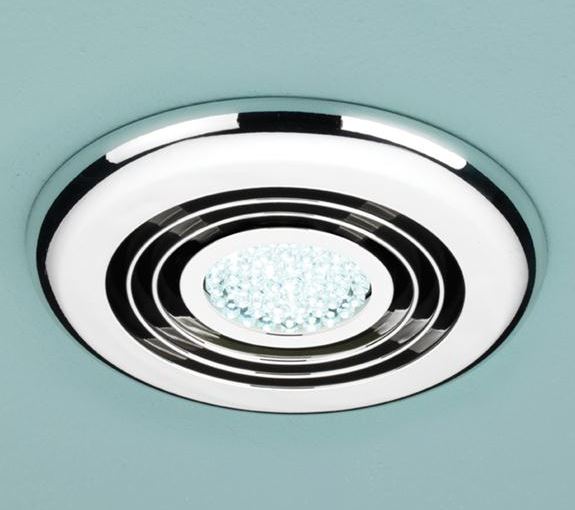
You should have active ventilation in your bathroom to eliminate any source of moisture and condensation. Active ventilation is ventilation provided mechanically, i.e. an extractor fan. Simply opening your window when you’re in the shower is not enough. An extractor fan is a mandatory requirement under the building code and should be positioned as close to the moisture source and as far away from the window as possible to increase positive air flow across the room.
The extractor fan should have a ventilation rate of approximately 25 litres per second and be vented to the outside of the house or the moist air will end up circulating within your roofing causing damage to the roof supports.
Low Water Pressure
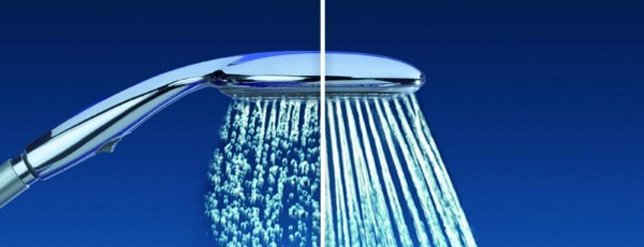
New Zealand homes traditionally have low-pressure hot-water systems. This means the hot water in your taps and shower lack enough pressure for a decent shower. You can either keep the low hot water pressure and therefore save water and power, or you can upgrade to mains pressure.
Upgrading to mains pressure
Most new homes are installed with hot-water systems that are mains pressured. This means that the hot and cold water are roughly the same pressure, resulting in an enjoyable shower experience. If you have low water pressure you may want to consider upgrading to mains pressure or gas hot water. However, there is a benefit to low water pressure because you won’t use too much hot water and waste power.
Select the best mixer for the job
When installing a new shower carefully select your mixer. You should choose a mixer that uses cold water pressure to draw in and boost the hot water pressure (called “The Venturi Effect”). Methven mixers are the best as they feature a venturi to boost the hot water by using the high pressure of cold water.
Slippery Floors
It goes without saying that slippery bathroom floors are dangerous. However, there are ways that you can prevent risk through an informed tile and vinyl selection. Waterproofing your floor is essential and we talk about ways to waterproof in our ‘Waterproofing your bathroom’ article.
Bathroom floors can be concrete, timber or steel framed, and finished with flooring materials that are suitable for wet areas. The New Zealand Building Code (NZBC) clause E3 Internal Moisture states that all finished floors in bathrooms must be impervious, in other words, unable to be penetrated by water.
The following linings and finishes are recommended for bathrooms as they are impervious and are easily cleaned surfaces:
- Integrally waterproof sheet material (e.g. polyvinylchloride) with sealed joints.
- Ceramic or stone tiles having 6% maximum water absorption, waterproof grouted joints and bedded with an adhesive specified by the tile manufacturer as being suitable for the tiles, substrate material and the environment of use.
- Cement based solid plaster or concrete having a steel trowel or polished finish, (semi-gloss or gloss paint must be used if a paint finish is required).
- Cork tile or sheet sealed with waterproof applied coatings and with sealed joints.
- Monolithic applied coatings having a polished non-absorbent finish (e.g. terrazzo).
- A timber or timber based product such as particleboard sealed with waterproof applied coatings.